
menu
Group
Innovation
Innovation
Innovating for the benefit of projects
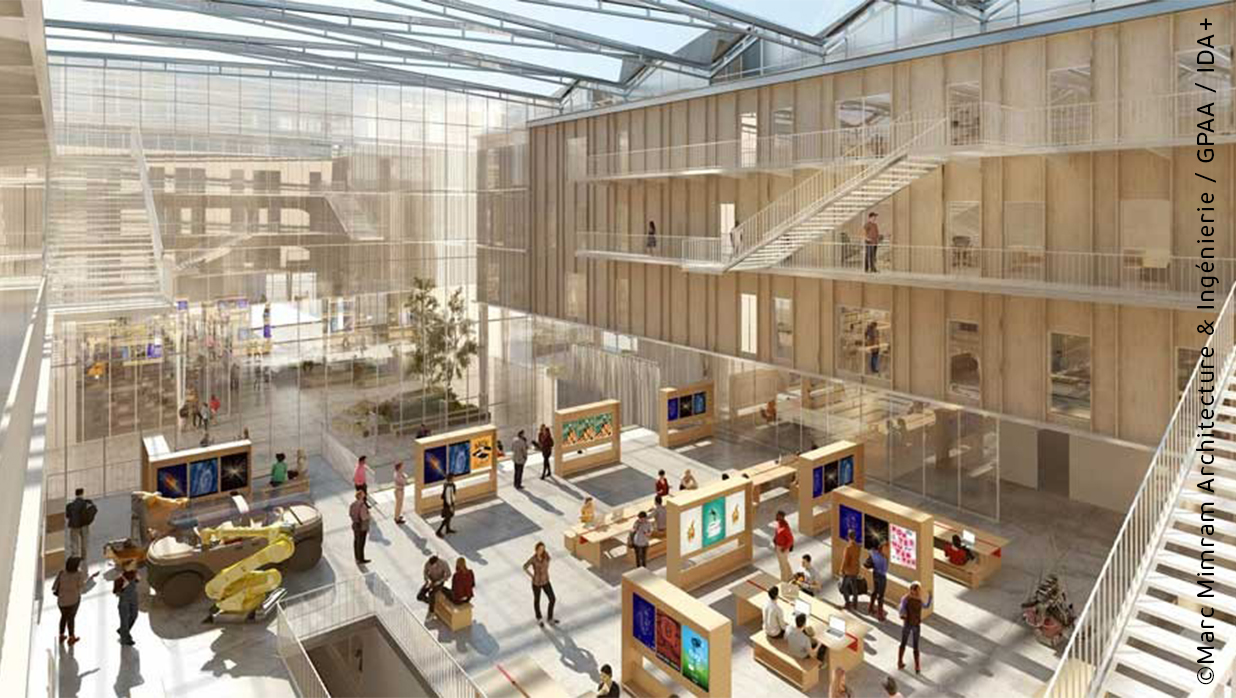
Innovation is one of our performance drivers at SCE. It stimulates creativity among our teams and their ability to devise new tools and approaches that improve the effectiveness and quality of the solutions we provide to clients.
An innovation management committee is tasked with coordinating these initiatives and identifying strategic group-wide priorities. Four interdisciplinary focuses have been selected: climate change, soils and sediment, the circular economy and data.
Our innovation policy is extremely hands-on. It focuses on sharing and learning from experiences and having a broad variety of skills. It is this crosscutting approach that allows us to address the challenges of energy and ecological transition.
An innovation management committee is tasked with coordinating these initiatives and identifying strategic group-wide priorities. Four interdisciplinary focuses have been selected: climate change, soils and sediment, the circular economy and data.
Our innovation policy is extremely hands-on. It focuses on sharing and learning from experiences and having a broad variety of skills. It is this crosscutting approach that allows us to address the challenges of energy and ecological transition.
Structured innovation policy
To promote creativity and innovation, SCE has introduced an innovation time-credit system. This time is valuated and encouraged to allow staff to work on new work methods and topics of the future.
Ideas lab, Hub, innovation time credits, innovation challenge, integration of PhD researchers... We invest constantly to maintain a high level of technical skills, to foster new ideas and turn them into reality.
Ideas lab, Hub, innovation time credits, innovation challenge, integration of PhD researchers... We invest constantly to maintain a high level of technical skills, to foster new ideas and turn them into reality.
Stepping further with the Innovation Challenge
In early 2020, SCE launched its first ever Innovation Challenge. This competition is open to all staff and is designed to foster new ideas for future services, efficient methods, and social or managerial innovation, for example.
A number of good projects have emerged, some of which will soon be implemented.
A number of good projects have emerged, some of which will soon be implemented.
Innovations
KanaRi
A software solution developed by SCE and LOGIROAD to facilitate and optimise the management of wastewater network infrastructure
Based on the ReRAU (Rehabilitation of urban wastewater networks) approach, and adapted by SCE in association with Logiroad, to allow local authorities to manage their wastewater network infrastructure .
The system helps identify priority sections for inspection and rehabilitation , using criteria based on modelling the impact of dysfunctions, observations from structural assessments and observations from previous inspection campaigns.
Based on the ReRAU (Rehabilitation of urban wastewater networks) approach, and adapted by SCE in association with Logiroad, to allow local authorities to manage their wastewater network infrastructure .
The system helps identify priority sections for inspection and rehabilitation , using criteria based on modelling the impact of dysfunctions, observations from structural assessments and observations from previous inspection campaigns.
See more
Soil Serv
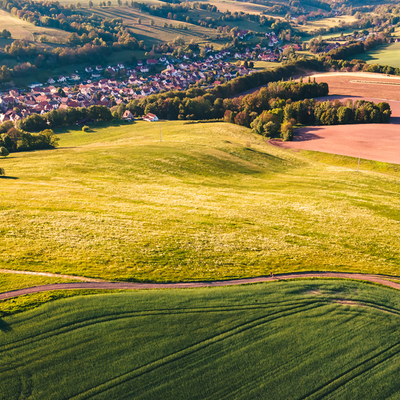
Limiting urban sprawl by integrating soil data in the different stages of town and city planning
The Soil Serv project was selected by the French national research agency (Agence Nationale de Recherche) to develop a research programme on the assessment and consideration of soil ecosystem services (SES) in public planning decisions. Soil Serv combines biophysics and economics techniques to assess the ecosystem services provided by agricultural land, at different spatial scales, and analyse their economic value in plot-level management decisions or their consideration in land development projects or public planning decisions.
The Soil Serv project was selected by the French national research agency (Agence Nationale de Recherche) to develop a research programme on the assessment and consideration of soil ecosystem services (SES) in public planning decisions. Soil Serv combines biophysics and economics techniques to assess the ecosystem services provided by agricultural land, at different spatial scales, and analyse their economic value in plot-level management decisions or their consideration in land development projects or public planning decisions.
See more
Destisol
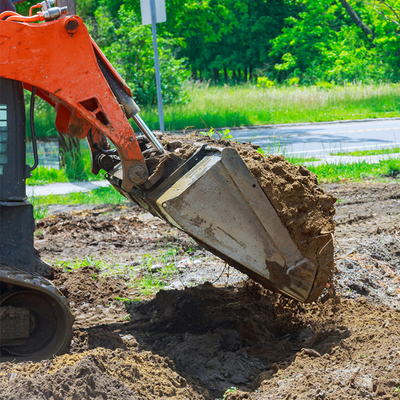
For better consideration of soil potential in urban development
Supported by the French Agency for Environment and Energy (ADEME) as part of the GESIPOL 2013 call for projects, this research project aimed to develop a method allowing planners to better incorporate the technical characteristics of soils (e.g. constraints, opportunities) and the services they provide in their upstream thinking (planning strategies, pre-operational studies) to achieve optimum development choices that lead to the construction of sustainable towns and cities.
This approach is based on the translation of soil characteristics into functions and then into ecosystem services.
Supported by the French Agency for Environment and Energy (ADEME) as part of the GESIPOL 2013 call for projects, this research project aimed to develop a method allowing planners to better incorporate the technical characteristics of soils (e.g. constraints, opportunities) and the services they provide in their upstream thinking (planning strategies, pre-operational studies) to achieve optimum development choices that lead to the construction of sustainable towns and cities.
This approach is based on the translation of soil characteristics into functions and then into ecosystem services.
See more
IDEA Diagnostic and CASDAR project
The global environmental and agriculture approach
SCE works with farm owners and bodies responsible for water quality and the environment, to preserve a strong farming economy and ensure the conservation of different environments. To foster real change, technical diagnosis alone quickly appeared insufficient. SCE and its partners tested the operational component of the IDEA method for supporting farms and agricultural regions in their agro-ecological transition initiatives.
SCE works with farm owners and bodies responsible for water quality and the environment, to preserve a strong farming economy and ensure the conservation of different environments. To foster real change, technical diagnosis alone quickly appeared insufficient. SCE and its partners tested the operational component of the IDEA method for supporting farms and agricultural regions in their agro-ecological transition initiatives.
See more
DESSERT
Unsealing urban land surfaces for resilient
regions
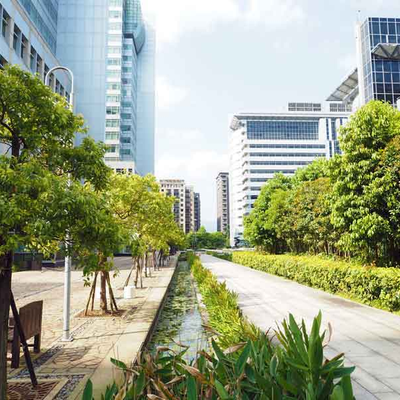
SCE is working on the DESSERT project which involves assessing the potential for soil re-functionalisation, particularly through unsealing or restoring the permeability of soils. This project is financed by the French Energy and Environment Agency (ADEME) under its MODEVALURBA call for projects (2020-2024), and is being carried out in partnership with the INRAE-University of Lorraine’s Soil & Environment Laboratory, AgroCampus Ouest, University of Aix Marseille, Wagon Landscaping, D&L ENROMAT and Plante & Cité.
SCE is working on the DESSERT project which involves assessing the potential for soil re-functionalisation, particularly through unsealing or restoring the permeability of soils. This project is financed by the French Energy and Environment Agency (ADEME) under its MODEVALURBA call for projects (2020-2024), and is being carried out in partnership with the INRAE-University of Lorraine’s Soil & Environment Laboratory, AgroCampus Ouest, University of Aix Marseille, Wagon Landscaping, D&L ENROMAT and Plante & Cité.
See more
Hydrology and Climate Change
Hydrological risk management in a context of climate and environmental change in the Sahel region
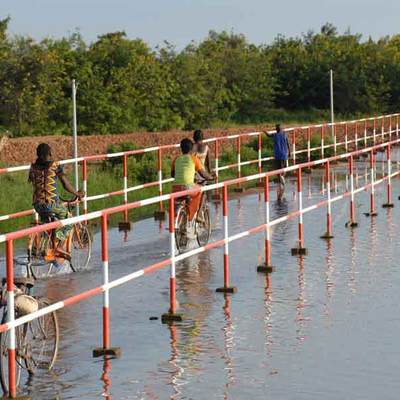
SCE is financing a doctoral thesis as part of a partnership with IGE (Institute of Environmental Geosciences) with the aim of developing innovative hydrological methods to address the hydrological engineering challenges of non-stationarity, in particular for western Africa which faces special societal challenges in terms of the global changes taking place.
SCE is financing a doctoral thesis as part of a partnership with IGE (Institute of Environmental Geosciences) with the aim of developing innovative hydrological methods to address the hydrological engineering challenges of non-stationarity, in particular for western Africa which faces special societal challenges in terms of the global changes taking place.
See more
Environmental DNA
An innovative technique for the study of biodiversity
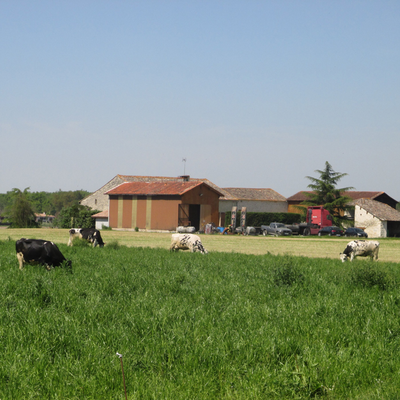
Environmental DNA or eDNA uses the collection of soil or water samples to establish an inventory of living organisms. The technique, which is still currently in development, is not intended to replace traditional inventory methods but rather to provide a complementary means of assessment, particularly for sites that are difficult to access or for species that are difficult to observe. It has several advantages: it is inclusive, quick-to-implement, non-destructive and non-invasive.
Environmental DNA or eDNA uses the collection of soil or water samples to establish an inventory of living organisms. The technique, which is still currently in development, is not intended to replace traditional inventory methods but rather to provide a complementary means of assessment, particularly for sites that are difficult to access or for species that are difficult to observe. It has several advantages: it is inclusive, quick-to-implement, non-destructive and non-invasive.
See more